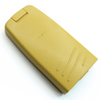
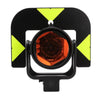
Surveying Equipment Batteries Ensure That Surveying Projects Are No Longer Interrupted by Power Outages
In the world of precision engineering and land surveying, data accuracy and project continuity are everything. Any work stoppage due to power outages can result in significant time and cost losses. Surveying Equipment Batteries are no longer just simple accessories—they are the core power source that keeps projects running smoothly. Whether you are using RTK GPS receivers, robotic total stations, laser scanners, or GNSS systems, choosing the correct Surveying Equipment Batteries directly affects field productivity, equipment lifespan, and data reliability.
Modern surveying instruments rely heavily on stable power for real-time GNSS positioning, continuous Bluetooth and radio communication, robotic motor operation, long-range prism tracking, and data logging. Without dependable Surveying Equipment Batteries, even the most advanced surveying equipment cannot achieve optimal performance.
Even tools as seemingly simple as stud finders depend on reliable power to deliver accurate readings when locating wall studs on construction sites. A dead battery in a stud finder can halt a small but critical task just as effectively as a dead battery in a total station can halt an entire surveying project. The principle is the same across all measurement tools: power reliability is non-negotiable.
Understanding Different Types of Surveying Equipment Batteries
Different surveying devices require different battery technologies. Understanding the available options helps you make the right investment.
Lithium-Ion (Li-ion) Batteries
Lithium-ion batteries are currently the most popular choice for RTK GPS and total station equipment. A lithium-ion Surveying Equipment Batteries solution is ideal for surveyors who need portable power for long outdoor operations. Modern, high-quality batteries typically utilize lithium-ion technology, offering significantly longer battery life than traditional nickel-metal hydride or lead-acid batteries at the same size and weight.
Key advantages:
Lightweight design
High energy density
Fast charging capability
Longer service life
Low self-discharge rate
No memory effect—can be recharged at any time

Nickel-Metal Hydride (NiMH) Batteries
NiMH batteries are older but still used in some surveying devices. Modern NiMH batteries are rated at up to 2300 mAh and can last significantly longer than standard alkaline batteries.
Key characteristics:
Lower initial cost
Better environmental compatibility
Good temperature tolerance
Shorter operating time compared to lithium
Heavier weight
Slower charging
Lead-Acid Batteries
Lead-acid batteries are gradually being phased out due to their non-environmentally friendly performance and heavy weight. While they have lower energy density compared to lithium batteries, they stand out for their low cost and mature technology. However, they are not well-suited to the high-energy drain of equipment such as GPS sets.
Why Your Surveying Project Depends on Reliable Surveying Equipment Batteries?
Surveying professionals often work in remote locations where charging opportunities are limited. An unreliable Surveying Equipment Batteries solution can lead to:
Interrupted fieldwork
Data loss during measurement
Reduced surveying efficiency
Increased downtime
Higher replacement costs
A high-quality Surveying Equipment Batteries solution ensures longer working hours, stable voltage output, and dependable performance in harsh outdoor environments. Surveyors working on infrastructure, construction layout, mining, road engineering, and mapping projects require batteries that can withstand continuous operation while delivering consistent power.
Key Factors to Consider When Choosing Surveying Equipment Batteries
Selecting the correct Surveying Equipment Batteries involves more than simply matching voltage specifications. Here are the critical factors to evaluate:
1. Battery Compatibility
Always verify compatibility with your RTK GPS receiver, total station, or other surveying instrument models. Check:
Voltage requirements
Connector type
Battery size and dimensions
Charging system compatibility
Using an incompatible Surveying Equipment Batteries solution may damage sensitive surveying electronics or reduce equipment performance. Make sure the battery model, voltage, and connector are compatible with your equipment brand and model (e.g., Leica, Topcon, Pentax, SOKKIA, South, etc.).
2. Battery Capacity
Battery capacity is measured in mAh (milliamp hours) or Wh (watt-hours). Higher capacity means:
Longer operating time
Fewer battery changes
Improved field efficiency

For large-scale projects, a high-capacity Surveying Equipment Batteries solution helps surveyors complete full-day operations without interruption. A battery with a capacity of 2400mAh to 5000mAh or higher is sufficient to power a high-performance total station for one or two full shifts.
3. Runtime Requirements
Different surveying tasks consume power differently:
RTK GPS Systems: Require continuous communication and satellite tracking, which increases power consumption
Total Stations: Use motors and tracking systems that require stable high-output power
GNSS Receivers: Need consistent power for satellite lock and data logging
Choosing a long-lasting Surveying Equipment Batteries solution minimizes downtime during critical measurement operations.
4. Durability and Weather Resistance
Surveying projects often take place in:
Extreme heat
Rainy environments
Dusty construction sites
Cold weather conditions
A rugged Surveying Equipment Batteries solution with protective housing and weather resistance ensures stable operation under harsh conditions. Professional batteries operate stably across a wide temperature range of -10°C to 50°C and beyond, preventing sudden power outages or performance degradation due to extreme temperatures.
5. Battery Management System (BMS)
The high-quality Surveying Equipment Batteries solution features an intelligent battery management system, providing extremely stable, pure DC voltage output. This ensures the surveying equipment operates at peak performance at all power levels, guaranteeing accurate measurement results.
Look for batteries with comprehensive circuit protection, including:
Overcharge protection
Over-discharge protection
Short-circuit protection
Overcurrent protection
Thermal monitoring
6. Charging Speed
Time is money, and shorter charging times mean higher productivity. Batteries that support fast charging can be fully charged in 1-2 hours, significantly reducing waiting time. Modern lithium-ion Surveying Equipment Batteries systems often support:
Rapid charging
Intelligent charging protection
Overcharge prevention
Temperature monitoring
7. Cycle Life and Long-Term Value
Lithium-ion batteries have a long cycle life, reducing the cost and environmental impact of frequent battery replacements. While NiMH batteries cost less at first, lithium-ion batteries give you better value over time—they last longer, work more efficiently, and need less maintenance.
Core Advantages of High-Quality Surveying Equipment Batteries
To summarize, here are the core advantages you should look for when selecting Surveying Equipment Batteries:
High Energy Density:Longer runtime in a compact, lightweight package
Fast Charging:Minimal downtime between field operations
Intelligent BMS:Stable voltage output for accurate measurements
Comprehensive Protection:Overcharge, over-discharge, short-circuit, and thermal protection
Wide Temperature Range:Reliable performance in extreme weather conditions
Long Cycle Life:Lower replacement costs and reduced environmental impact
No Memory Effect:Recharge at any time without capacity loss
Don't let power outages interrupt your next surveying project. Whether you are working on infrastructure development, land surveying, construction layout, or mining operations, the right Surveying Equipment Batteries make all the difference between a productive day in the field and a costly, frustrating setback.
Contact SMTOER today – a trusted manufacturer of high-quality Surveying Equipment Batteries designed for total stations, RTK GPS receivers, GNSS systems, and all your precision measurement tools. With superior lithium-ion technology, intelligent battery management systems, and rugged durability built for the harshest field conditions, SMTOER delivers the reliability your surveying projects demand.

Frequently Asked Questions About Surveying Equipment Batteries
Q1:How long do Surveying Equipment Batteries typically last in the field?
Runtime varies by equipment and battery type:
Total stations: 6 to 16+ hours depending on usage
RTK GPS receivers: Up to 23 hours with modern NiMH batteries in battery save mode
Some Topcon total stations: Up to 28 hours (about four days of normal operation)
High-capacity lithium batteries: 10+ hours of continuous operation
Q2: How should I store my Surveying Equipment Batteries?
Proper storage extends battery life:
Remove batteries from the surveying instrument or charger before storage
Store in a dry room at moderate temperatures
For long-term storage, charge the battery at least once every six months
Store batteries at approximately 50-80% charge for optimal longevity
Q3: Why won't my Surveying Equipment Batteries charge?
Common causes and solutions:
Check that you are using the correct charger for the product
Clean the battery and instrument contacts with a dry cloth
Test with a different battery or charger to isolate the faulty component
The battery may be deeply discharged or have a failed cell
Q4: How do I know when to replace my Surveying Equipment Batteries?
Consider replacing your battery if:
Battery life is less than 3 hours (compared to 6-7 hours when new)
The battery no longer holds a charge after a full charging cycle
The battery has been in storage for more than one year without charging
You notice physical damage or swelling