Why Your Total Station Drains Fast & How a High-Quality Replacement Battery Helps
Why Your Total Station Drains Fast & How a High-Quality Replacement Battery Helps
For professional surveyors, a total station is an essential tool for accurate field measurement. But even a reliable total station can become difficult to use when its battery drains too quickly.
A total station that cannot hold power for a full working day can cause unexpected downtime, repeated charging, and delays on the job site. In many cases, the problem is not the instrument itself. An aging or low-quality battery may be the real reason behind short runtime and unstable power.
A high-quality replacement battery can help restore reliable power and keep your surveying equipment ready for demanding field work.

Why Does Your Total Station Battery Drain So Fast?
1. The Battery Is Getting Old
Rechargeable batteries naturally lose capacity after repeated charging and discharging cycles. As a battery ages, its actual capacity may become much lower than its original specification.
You may notice that your total station shows a full charge but loses power much faster than before. This is one of the most common signs that the original battery needs to be replaced.
2. The Battery Has Lost Its Capacity
Surveying work often requires continuous operation for several hours. If the battery has reduced capacity, it may not provide enough power for a full day of measurements.
For example, a total station used for construction layout, boundary surveys, topographic surveys, or road projects may need to operate continuously in the field. A weak battery can interrupt the workflow and force the survey team to stop and recharge.
3. Frequent Charging Can Reduce Battery Performance
Constant charging and discharging can gradually affect rechargeable battery performance. Poor charging habits, unsuitable chargers, or excessive heat may also reduce battery life.
Using a compatible battery and the correct charger is therefore important for maintaining stable performance.
4. Harsh Field Conditions Affect Battery Performance
Surveying equipment is often used outdoors in hot, cold, dusty, or humid environments. Extreme conditions can affect battery performance and reduce operating time.
A replacement battery designed for professional surveying equipment should provide stable power under normal field operating conditions.
5. The Battery May Not Match the Instrument Correctly
Not every surveying battery is compatible with every total station.
Voltage, battery chemistry, connector design, dimensions, and model compatibility all need to be considered before purchasing a replacement battery.
For example, SMTOER offers different replacement batteries for different surveying instruments, including GEB77, GEB187, GEB171, GEB70, GEB211, GEB212, GEB221, GEB222, and GEB111 models. Choosing the correct model is essential for safe and reliable operation.
How Does a High-Quality Replacement Battery Help?
Longer Operating Time
A high-quality replacement battery with suitable capacity can provide longer operating time, allowing surveyors to complete more measurements before recharging.
This is especially useful for remote construction sites, large land surveys, infrastructure projects, and other jobs where access to power is limited.
Stable Power Output
Stable power is important for electronic surveying instruments. A quality battery is designed to provide consistent power during normal operation.
This helps keep the total station running reliably throughout the working period.
Less Downtime
A reliable replacement battery reduces the need for frequent charging. Instead of stopping work to recharge an aging battery, surveyors can spend more time collecting measurements and completing field tasks.
Durable Construction
Surveying equipment needs to withstand transportation and outdoor working conditions. SMTOER batteries use durable battery housings designed to provide impact resistance and reliable performance under normal operating conditions.
A Cost-Effective Alternative
Replacing the battery can often be a more practical solution than replacing a working total station simply because the original battery has become weak.
A compatible replacement battery can extend the useful life of existing surveying equipment while helping control operating costs.

How to Choose the Right Total Station Replacement Battery
Before purchasing a replacement battery, surveyors should check several important specifications.
Check the Battery Model
Always check the model number printed on your existing battery or specified by your total station manufacturer.
A battery that looks similar may not have the same voltage, connector, or dimensions.
Check Voltage and Capacity
Voltage should match the requirements of your surveying instrument. Battery capacity, normally measured in mAh or Ah, also affects how long the instrument can operate.
Higher capacity can provide longer runtime, but compatibility should always come first.
Check Battery Chemistry
Different surveying instruments may use different battery technologies, such as NiMH or Li-ion.
Make sure the replacement battery uses the appropriate battery technology for your equipment.
Check Physical Compatibility
The replacement battery should fit correctly inside the battery compartment and use the correct connector.
Do not force a battery into an incompatible compartment.
Choose a Reliable Supplier
A professional supplier can provide clearer compatibility information and help you select the correct replacement battery.
SMTOER offers a range of batteries designed for surveying instruments, making it easier for professionals to find a suitable replacement for their specific equipment.
When Should You Replace Your Total Station Battery?
Consider replacing your battery if you notice one or more of these signs:
- The battery drains much faster than before.
- The total station shuts down unexpectedly.
- The battery cannot hold a full charge.
- Charging takes unusually long.
- The battery becomes unusually hot during use or charging.
- The battery shows visible swelling or physical damage.
- You need to recharge several times during a normal workday.
If the battery is physically damaged or swollen, stop using it and replace it with a suitable battery.

Important Tips When Buying a Tripod for Laser Level
Although the battery is the power source of your surveying equipment, a stable tripod is equally important when using a laser level.
When buying a Tripod For Laser Level, first check the mounting thread and make sure it matches your laser level. A stable mounting connection helps prevent unwanted movement during leveling and alignment work.
Next, consider tripod height and adjustment range. A tripod with adjustable legs can provide more flexibility when working on different surfaces and at different heights.
Weight and portability are also important for professionals who frequently move between job sites. A lightweight tripod is easier to transport, while a stronger construction can provide better stability in demanding environments.
Finally, consider the working environment. For indoor layout work, portability may be the priority. For construction and outdoor applications, a durable tripod with stable legs and reliable locking mechanisms is usually a better choice.
Total Station Battery FAQ
Q1: Why does my total station battery drain so quickly?
An aging battery, reduced battery capacity, unsuitable charging, extreme temperatures, or an incorrect battery model can all contribute to short runtime.
Q2: How do I know if my total station battery needs replacement?
If the battery no longer holds a full charge, drains much faster than before, or requires repeated charging during normal field work, it may be time to replace it.
Q3: Can I use any replacement battery for my total station?
No. The replacement battery must match the instrument's required voltage, battery type, connector, size, and model compatibility.
Q4: Is a higher-capacity battery always better?
Not necessarily. Higher capacity may provide longer runtime, but compatibility is more important. Always make sure the battery is designed for your specific total station.
Q5: What is the difference between NiMH and Li-ion surveying batteries?
NiMH and Li-ion are different rechargeable battery technologies. Their voltage, charging requirements, capacity, and compatibility can vary, so you should use the battery type specified for your surveying instrument.
Q6: Can a replacement battery improve total station working efficiency?
Yes. A reliable replacement battery can provide stable power and longer operating time, helping reduce charging interruptions and unnecessary field downtime.
Q7: How should I choose a battery for surveying equipment?
Start with the original battery model and your total station model. Then check voltage, capacity, battery chemistry, connector, dimensions, and charger compatibility before purchasing.
Why Choose a High-Quality Replacement Battery?
A total station is only useful when it can operate reliably in the field. When an aging battery starts causing short runtime and unexpected shutdowns, replacing the battery can be a simple way to restore dependable power.
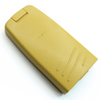
A high-quality Total Station Battery should provide suitable capacity, stable power output, reliable construction, and proper compatibility with the surveying instrument.
For surveyors, construction professionals, and engineering teams, choosing the right Replacement Battery means less time waiting for a recharge and more time completing important field measurements.
With the right Total Station Battery, your surveying equipment can stay powered, productive, and ready for the next job.