Why Aluminum Tripods Are the Go-To Support for Field Surveying & Construction Layout
For surveyors, construction professionals, and field engineers, a stable instrument setup is essential for accurate measurements. Whether you are working with a total station, leveling equipment, GPS equipment, or another measuring instrument, the tripod provides the foundation for a reliable setup.
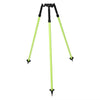
An aluminum tripod is widely used for field surveying and construction layout because it combines strength, portability, adjustability, and practical outdoor performance. SMTOER offers several aluminum tripod models designed for different field setups, including adjustable-height tripods with thumb release systems and removable tips.

Why Is an Aluminum Tripod Important for Field Surveying?
Surveying often takes place on uneven ground, construction sites, roadsides, open fields, and other challenging outdoor environments. A tripod needs to provide stable support while remaining easy to carry and adjust.
An aluminum tripod offers a practical balance between durability and portability. The aluminum alloy construction provides a strong support structure without making the equipment unnecessarily difficult to transport. SMTOER aluminum tripods are designed to support total stations, cameras, and other measuring instruments while allowing users to adjust the legs for different working conditions.
1. Strong and Lightweight Construction
One of the main advantages of an aluminum tripod is its combination of strength and manageable weight.
Aluminum alloy provides a solid structure for field equipment while remaining suitable for transportation between different job sites. For surveyors who regularly move equipment from one location to another, a lightweight support system can make setup and transportation easier.
Some SMTOER models use aluminum alloy tubes with durable surface finishes designed for outdoor use. For example, the DZ33A-YE features aluminum alloy construction, corrosion and wear resistance, and a design intended for outdoor professional use.
2. Adjustable Height for Different Working Conditions
Ground conditions and instrument heights can vary from one project to another. A fixed support height may not always provide the flexibility required in the field.
Many aluminum tripods are designed with adjustable legs so users can change the working height according to the terrain and equipment setup.
For example, SMTOER's CLS33A-GN and DZ33A-YE models can extend from approximately 1090 mm to 1800 mm, providing flexibility for different working heights and terrain conditions.
This adjustment is especially useful when working on:
- Uneven construction sites
- Sloped ground
- Road and infrastructure projects
- Outdoor surveying areas
- Different instrument setup heights
3. Quick Setup with Thumb Release Design
Field surveying often requires repeated setup and adjustment. A complicated locking system can make this process slower.
A thumb release system provides a convenient way to attach and remove poles or adjust the support during field operations. Several SMTOER aluminum tripod models feature thumb release mechanisms designed for quick operation.
This can be useful when surveyors need to:
- Move between measurement points
- Adjust the tripod position
- Change instrument setup locations
- Pack equipment quickly after completing a measurement
4. Better Support on Different Terrain
Outdoor survey locations rarely have perfectly flat surfaces. Tripod legs need to be adjusted independently to create a stable setup.
Retractable and adjustable tripod legs allow users to adapt the support to different ground conditions. SMTOER's aluminum tripod collection is designed with adjustable legs for use across different terrains.
Proper tripod adjustment is particularly important when working with precision instruments. Before measurement, users should ensure that the tripod is firmly positioned and the instrument is correctly leveled.
Aluminum Tripod for Total Station and Surveying Equipment
A total station requires a stable support platform because movement during measurement can affect the setup.
An aluminum tripod can be used as a support platform for total stations and other surveying instruments. SMTOER's collection is specifically presented for applications involving total stations, cameras, and measuring equipment.
For professional surveying, an appropriate tripod should provide:
- Stable instrument support
- Adjustable working height
- Secure equipment attachment
- Easy field transportation
- Reliable leg adjustment
- Convenient setup and removal
The tripod itself does not replace proper instrument leveling or field procedures, but a stable support system helps create a consistent foundation for the measurement setup.

Aluminum Tripod for Construction Layout
Construction layout requires equipment to be positioned accurately at different locations around a project site. Surveyors may need to move their equipment frequently as the project progresses.
An aluminum tripod is suitable for construction layout because it is designed to be portable and adjustable while providing a stable support structure.
Typical applications include:
Building Construction
Tripods can support surveying instruments used for establishing building points, checking positions, and transferring measurements around construction sites.
Road and Infrastructure Projects
Road construction often involves long work areas and changing terrain. Adjustable tripod legs can help users adapt the setup to different ground conditions.
Topographic Surveying
For topographic data collection, surveyors may move between multiple measurement points. A portable aluminum tripod can make transportation and setup more convenient.
Engineering Measurement
Engineering teams can use tripod-supported instruments for field measurements, positioning, and construction verification.
What to Look for When Buying an Aluminum Tripod?
Choosing an aluminum tripod is not only about the material. Before purchasing, consider the following factors.
1. Check the Height Range
Look at both the minimum and maximum working height.
A tripod with a suitable height range gives you more flexibility when working on different terrain and at different instrument positions.
2. Check Equipment Compatibility
Make sure the tripod is suitable for the equipment you plan to use.
Check the connection method, mounting thread, support structure, and recommended application before ordering. This is particularly important when using a tripod with total stations, surveying poles, or other professional equipment.
3. Consider Portability
If your work involves frequent transportation, consider the tripod's folded size, weight, and carrying method.
A compact aluminum tripod can be easier to store in a vehicle or transport between different survey points.
4. Look at the Adjustment System
Consider how the legs and clamps are adjusted.
A thumb release system can make repeated setup and removal more convenient, especially when working at multiple locations during the same project.
5. Consider Outdoor Durability
Field equipment can be exposed to dust, moisture, dirt, sunlight, and repeated transportation.
Look for an aluminum tripod with durable construction and a suitable surface finish for regular outdoor use.
6. Check the Package Contents
Before purchasing, check what is included with the tripod.
Some models may include a carrying bag or inner box. For example, the DZ33A-YE is listed with a carry bag and inner box.

Aluminum Tripod FAQ
Q1: What is an aluminum tripod used for?
An aluminum tripod is used to provide stable support for surveying instruments, total stations, cameras, and other measuring equipment. It is commonly used in surveying, construction, engineering, and outdoor measurement applications.
Q2: Why are aluminum tripods popular for surveying?
Aluminum tripods offer a practical combination of strength, portability, and adjustability. These characteristics are useful for professionals who need to transport and repeatedly set up equipment in outdoor environments.
Q3: Can an aluminum tripod be used with a total station?
Yes. Aluminum tripods can be used to support total stations when the tripod's mounting connection and specifications are compatible with the instrument.
Always check the equipment and tripod specifications before purchase.
Q4: Are aluminum tripods suitable for uneven ground?
Yes. Adjustable tripod legs allow users to adapt the setup to different terrain. Proper leg adjustment and secure positioning are important when working on uneven ground.
Q5: What height can an aluminum tripod reach?
The height depends on the specific model. For example, some SMTOER aluminum tripod models extend from approximately 1090 mm to 1800 mm.
Q6: Are aluminum tripods easy to transport?
Generally, aluminum tripods are designed to balance structural strength with portability. Models that collapse into a compact size can be convenient for transportation between job sites.
Q7: What should I check before buying an aluminum tripod?
Check the tripod's height range, mounting compatibility, adjustment system, construction material, folded size, weight, and package contents. These specifications should match your equipment and field working conditions.
Conclusion
An aluminum tripod is more than a basic equipment stand. It provides the foundation for setting up surveying and measuring instruments in real-world field conditions.
For surveying, construction layout, topographic measurement, and engineering work, a suitable tripod should provide stable support, flexible height adjustment, convenient setup, and practical portability.
By choosing an aluminum tripod that matches your instrument and working environment, you can create a more convenient and consistent field setup for everyday surveying and construction work.